
Get Personalized Vehicle Insurance Guidance & Expert Comparison with Shravan
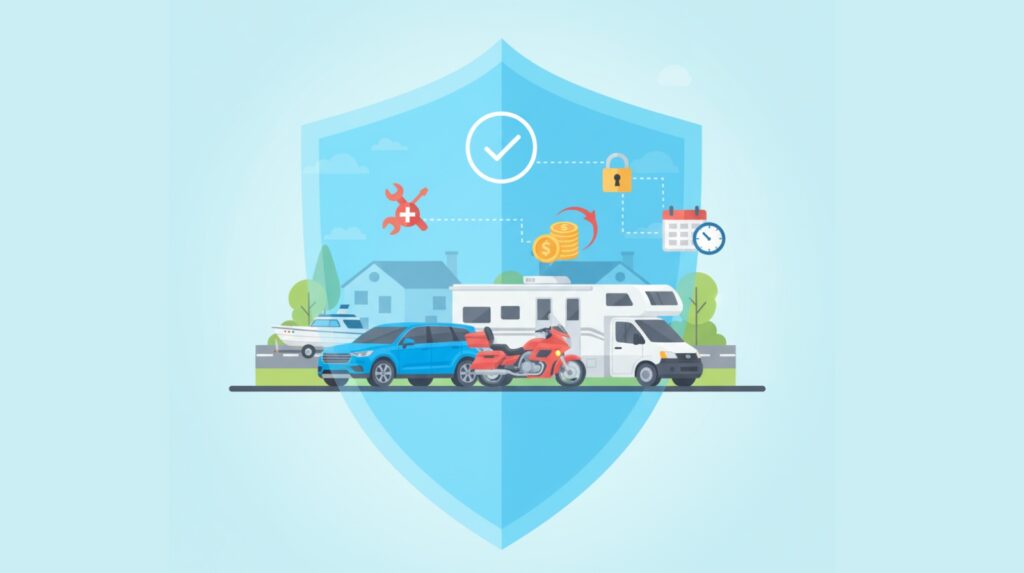
Looking for the right vehicle insurance guidance? Meet Pippari Shravan Kumar, an IRDAI-certified vehicle insurance advisor with over 12 years of experience helping individuals and families secure the right coverage for their cars, bikes, and commercial vehicles. Unlike corporate platforms that rely on automated comparisons, Shravan provides personalized consultations tailored to your exact needs.
As a trusted motor insurance consultant and car insurance expert, Shravan simplifies complex terms, compares policies across insurers, and ensures you understand the true benefits of your coverage—from legal compliance and financial protection to peace of mind on the road.
When you consult Shravan, you get more than just a policy—you get expert guidance, transparent advice, and long-term support. This personal approach bridges the gap that corporate portals miss: genuine care, clarity, and trust in every step of your insurance journey.
Ready to secure the right protection for your vehicle?
Vehicle Insurance Guide
When it comes to protecting your car, bike, or commercial vehicle, vehicle insurance is not just an option—it’s a necessity. Whether you are a first-time vehicle owner or someone looking to renew your existing policy, understanding the basics of motor insurance can save you from unnecessary risks, penalties, and financial losses. With over 12 years of experience as an IRDAI-certified advisor, Pippari Shravan Kumar brings clarity and personalized guidance to help you navigate this essential financial safeguard.
What Is Vehicle Insurance?
Vehicle insurance (also called motor insurance or automobile insurance) is a legally mandated contract between you and an insurance provider. It protects your vehicle and finances in case of accidents, theft, fire, natural calamities, or third-party liability.
In India, Third-Party Liability Insurance is compulsory under the Motor Vehicles Act, 1988. This ensures that if your vehicle causes damage to another person or their property, compensation is covered by your policy. Beyond that, Comprehensive Vehicle Insurance adds protection for your own vehicle and personal coverage.
Legal Requirements in India
Owning a vehicle in India comes with strict insurance obligations:
Third-Party Liability Insurance is mandatory for every vehicle, whether a car, two-wheeler, or commercial vehicle.
Driving without valid insurance can lead to heavy penalties:
₹2,000 fine and/or 3 months imprisonment for the first offense.
₹4,000 fine for repeated offenses.
This legal requirement exists not just as a formality but as a shield for road users against financial and personal risks.
Why Is Vehicle Insurance Important?
Financial Protection: Repair costs from accidents or damage can be overwhelming. A good vehicle policy ensures you don’t bear the full financial burden.
Legal Compliance: Avoid fines, legal complications, and even jail time by keeping your policy up-to-date.
Peace of Mind: Whether on highways or city roads, you can drive confidently knowing you’re protected.
Coverage Options: From car insurance to bike insurance to commercial automobile insurance, policies can be tailored to your needs.
Why Is Vehicle Insurance Important?
Third-Party Insurance
- Mandatory by law.
- Covers damage to another person’s vehicle, property, or injury.
Comprehensive Insurance
- Covers third-party liability and your own vehicle.
- Protects against theft, fire, natural disasters, and accidents.
Standalone Own Damage Policy
- For vehicles bought after September 2018, allows you to buy own damage cover separately.
Commercial Vehicle Insurance
- For trucks, buses, taxis, and other commercial vehicles.
- Provides extensive protection given the higher exposure to risks.
Penalties for Driving Without Insurance
Ignoring insurance can be costly. Besides fines and possible imprisonment, uninsured vehicles can be seized by traffic authorities. Worse, if you cause an accident without coverage, you may be personally liable for all damages—a financial setback that can affect you for years.
Why Work With a Vehicle Insurance Advisor Like Shravan?
While online portals and corporate websites provide quick quotes, they often lack personalized guidance. Shravan, as a car insurance expert and motor insurance consultant, helps you:
Compare policies across insurers for the best balance of premium and coverage.
Understand the fine print—no hidden surprises.
Choose add-ons like zero depreciation, roadside assistance, or engine protection.
Ensure timely renewals, avoiding penalties and lapses.
“Need help choosing? Shravan can guide you through the right vehicle insurance policy for your needs.”
FAQs on Vehicle Insurance
1. Is third-party insurance enough?
It’s the minimum legal requirement, but comprehensive insurance offers broader protection.
2. Can I switch my insurer during renewal?
Yes, you can compare and shift without losing your No-Claim Bonus (NCB).
3. Do premiums change every year?
Yes, they depend on factors like vehicle age, location, claim history, and regulatory changes.
4. What about electric vehicles (EVs)?
Special EV insurance policies are now available, and Shravan can guide you on them.
Final Word
Vehicle insurance isn’t just a piece of paper—it’s your financial safeguard, your legal shield, and your peace of mind. Whether it’s for a car, bike, or commercial vehicle, having the right automobile insurance can make all the difference. With over a decade of expertise, Shravan offers clear, trustworthy, and personalized advice—something corporate platforms simply can’t match.
Types of Vehicle Insurance
Choosing the right vehicle insurance policy can feel confusing, especially when faced with multiple options. As an experienced vehicle insurance advisor, Shravan helps you understand the available types of insurance and guides you toward the most suitable plan for your needs.
Third-Party Insurance
Third-party insurance is the most basic and legally mandatory cover in India. It protects you against financial liability if your vehicle causes injury, death, or property damage to another person. While it is affordable and ensures legal compliance, it does not cover damage to your own vehicle.
Best suited for: Owners of older vehicles or those seeking minimum legal coverage.
Comprehensive Insurance
A comprehensive policy provides wider protection. It includes third-party liability coverage while also safeguarding your own vehicle against accidents, natural disasters, theft, or fire. This type of cover offers peace of mind by managing both personal and third-party risks.
Best suited for: New car owners, families, or those who want complete financial protection.
Standalone Own-Damage Policy
This policy allows you to cover just your own vehicle’s damages while pairing it with a mandatory third-party cover. It gives flexibility to choose enhanced protection without committing to a full comprehensive policy.
Best suited for: Vehicle owners who already have third-party insurance but want additional protection for their own car or bike.
Car Insurance
Tailored for four-wheelers, car insurance policies can be third-party or comprehensive. They also offer add-on covers like zero depreciation or roadside assistance. A car insurance expert like Shravan can help you compare benefits across providers to ensure cost-effective coverage.
Bike Insurance
Two-wheeler owners require dedicated bike insurance to cover accidents, theft, and damages. Options include third-party and comprehensive bike insurance policies, both of which ensure you stay compliant while protecting yourself financially.
Commercial Vehicle Insurance
Commercial vehicles face higher risks due to heavy usage. These policies cover trucks, cabs, buses, and delivery vans. A well-designed commercial vehicle insurance policy helps protect business continuity by reducing losses from accidents, theft, or damages.
Need help choosing the right coverage? Shravan can guide you step-by-step based on
your vehicle type, budget, and long-term needs.
Vehicle Insurance Benefits
When it comes to safeguarding your car, bike, or commercial vehicle, insurance is more than just a legal formality — it’s a safety net for your financial and personal well-being. With 12+ years of experience as a trusted vehicle insurance advisor, Shravan has guided hundreds of clients to understand the benefits of motor insurance and how the right policy can protect them in real-world situations.
1. Financial Protection
Unexpected accidents, theft, or natural calamities can lead to heavy repair or replacement costs. A well-chosen vehicle policy ensures you don’t bear these expenses alone, saving you from financial stress.
2. Legal Compliance
Driving without valid insurance is not only risky but also punishable by law. A valid policy helps you avoid penalties, fines, and legal action while keeping your vehicle road-legal.
3. Risk Management
Insurance acts as a shield against uncertainties. Whether it’s minor dents or major collisions, the right coverage minimizes your out-of-pocket expenses and reduces financial risks.
4. Peace of Mind
Perhaps the most valuable advantage of all: knowing you and your vehicle are protected allows you to drive with confidence, without constant worry about “what if” situations.
Shravan, as an experienced motor insurance consultant, ensures that every client receives
tailored vehicle insurance guidance to maximize these benefits.
Need help choosing a plan that offers the best protection and peace of mind? Shravan is here to guide you.
How to Choose the Right Vehicle Insurance
Selecting the right vehicle insurance can feel overwhelming, especially with so many options, terms, and insurers competing for attention. As a trusted vehicle insurance advisor with 12+ years of experience, Shravan helps simplify this process by breaking it into clear steps. This guide will show you how to make smart decisions using a structured approach to vehicle insurance selection, ensuring you get the best balance of coverage, benefits, and affordability.
Step 1: Understand Your Vehicle & Usage
The first step in choosing the right policy is to assess your vehicle type and usage.
Car owners may need comprehensive coverage to protect against accidents, theft, or natural calamities.
Bike owners often look for affordability but should still prioritize third-party and personal accident cover.
Commercial vehicle operators need specialized policies that account for cargo, drivers, and business risks.
👉 The more you understand your driving habits, the better your policy match will be.
Step 2: Learn the Types of Vehicle Insurance
There are two major types of insurance policies:
Third-party insurance – Mandatory under Indian law. Covers damage or injury caused to others but does not protect your own vehicle.
Comprehensive insurance – Offers broader protection, including damage to your vehicle, theft, and add-ons for enhanced coverage.
Shravan advises first-time buyers to consider comprehensive plans for holistic protection, especially if the vehicle is new or frequently used.
Step 3: Consider Add-on Covers
Policies can be customized through add-ons, also called riders. Popular options include:
Zero Depreciation Cover – Ensures full claim value without depreciation deductions.
Engine Protection Cover – Essential in flood-prone areas.
Roadside Assistance – Peace of mind in case of breakdowns.
These add-ons may increase premiums slightly but can save you large expenses later.
Step 4: Compare Different Insurers
A core part of the insurance comparison guide is evaluating multiple insurers, not just the first one you come across. Look at:
Claim Settlement Ratios (how often claims are paid out).
Premium costs vs. coverage offered.
Customer service quality and speed.
Renewal flexibility and digital convenience.
Shravan emphasizes that comparing at least 3–5 insurers can reveal significant differences in value.
Step 5: Factor in Premium Costs
Premiums are influenced by several factors:
Vehicle’s age and model.
Owner’s driving history.
Geographical location (urban vs. rural).
No-Claim Bonus (NCB) discounts.
While affordability matters, Shravan always advises clients not to compromise on coverage for a slightly cheaper premium.
Step 6: Review Policy Terms Carefully
Before buying, check for:
Exclusions (what the policy does not cover).
Claim processes and documentation required.
Renewal rules and grace periods.
This helps avoid unpleasant surprises during emergencies.
Step 7: Consult an Advisor for Clarity
Choosing vehicle insurance is not just about ticking boxes — it’s about peace of mind. As a seasoned motor insurance consultant, Shravan provides personalized guidance to help you:
Identify the right type of policy.
Balance premiums with coverage.
Make informed decisions based on your lifestyle and risks.
“Need help choosing the right plan? Shravan is here to guide you step by step.”
Vehicle Insurance Claims Process - Step by Step (Cars, Bikes & Commercial Vehicles)
Filing a claim can feel stressful — especially after an accident or theft. With over 12 years advising clients as an IRDAI-certified motor insurance consultant, I’ve handled hundreds of claims and seen what speeds up settlement (and what slows it down). Below is a clear, practical walkthrough of the vehicle insurance claim process, tailored for cars, bikes and commercial vehicles, plus troubleshooting tips and timelines you can expect.
1. Immediate actions (within 24 hours)
Ensure safety first. Move to a safe spot and call emergency services if needed.
Document the scene. Take clear photos/videos of damage, location, surrounding vehicles, skid marks, and license plates — these are invaluable evidence.
Exchange details. Note the other party’s name, contact, vehicle number, and insurer (if applicable).
File an FIR if required. For theft, hit-and-run, or major third-party injury/damage, lodge an FIR at the nearest police station as soon as possible.
Why this matters: Immediate intimation and visual evidence prevent disputes later and are often required by insurers.
2. Intimate your insurer (intimation)
Notify your insurer or broker immediately — many insurers require intimation within 24–48 hours for accidents, and sooner for theft.
Provide a short incident summary and follow insurer instructions. Keep the intimation reference number.
Tip: If you’re working with Shravan, call/WhatsApp him first — he’ll confirm the right intimation channel and help you avoid common mistakes.
3. Document checklist (what you’ll typically need)
Policy document / policy number
Vehicle Registration Certificate (RC)
Driving Licence of the driver at the time of incident
FIR (for theft/third-party injury/theft-related claims)
Photos of damage / incident scene
Estimate or bills from the garage (for own-damage claims)
Claim form filled & signed (insurer’s form)
Identity proof and bank details for payment
Invoice and repair bills (on completion)
(Exact document lists can vary by insurer and claim type — always confirm at intimation.)
4. Survey & assessment
After intimation, the insurer assigns a surveyor who inspects the vehicle, verifies documents, and prepares an estimate.
Timelines: Survey typically happens within 2–7 days, depending on location and insurer workload. For commercial vehicles, surveyors may request additional documents (e.g., goods consignment papers).
If you’ve chosen cashless repair, the garage and insurer coordinate directly; otherwise you’ll pay and claim reimbursement later.
5. Approval, repair and settlement
Insurance decision: Insurer approves repairs (or rejects/queries if documents are missing or suspicious).
Repair: For cashless claims, the approved garage proceeds with repairs; for reimbursement, you’ll pay and submit invoices.
Settlement: Once documents and invoices are verified, insurer settles payment either to garage (cashless) or your bank account (reimbursement).
Typical overall timeline: From intimation to settlement it can take 7–30 days depending on claim complexity, documentation completeness, and insurer processes.
6. Specific notes: Bike / Car / Commercial claims
How to claim bike insurance: The process is the same flow — intimation, FIR (if theft), photos, survey, repair. Because bikes are smaller, insurers may require clearer proof of ownership and original invoice documents.
Car insurance claims: Often involve more detailed surveys and may include towing logistics, roadside assistance, and parts procurement time.
Commercial vehicle claims: These are scrutinized more (cargo details, driver records, trip logs). Expect longer assessment time and additional documentary checks.
7. Common issues & how to avoid them
Late intimation: Can lead to rejection. Always inform insurer ASAP.
Incomplete documents: Keep digital copies of RC, policy, ID, and bank details ready.
Tampered vehicle or inconsistent evidence: Do not repair before survey in claimable incidents (unless to prevent further damage).
Policy lapsed: Renewal gaps often lead to claim denial — always renew before expiry.
Disagreement on estimate: Get a second opinion (another authorized garage) and involve your advisor to escalate.
8. Advisory tips from Shravan (practical & proven)
Always take multiple photos immediately — different angles, close-ups, and wide shots.
Use authorized repair workshops for cashless claims; they streamline approvals.
Keep a claims folder (physical or digital) with RC, policy scan, driving licence, and past claim documents.
If claim is denied, request the insurer’s detailed reason in writing and consult an advisor — many denials are resolvable with the right documentation or escalation.
For theft claims, original keys and possession proof significantly speed up settlement.
9. When to get help
If you’re unsure at any step — from filing the FIR to handling a disputed estimate — seek expert help. I (Pippari Shravan Kumar) provide hands-on claims support: I’ll review your documents, liaise with the insurer, recommend authorized garages, and help escalate if needed.
Need expert help with claims? Contact Shravan for step-by-step support and faster, cleaner settlements.
Premium Factors – Vehicle Insurance
Understanding what influences your vehicle insurance premium is crucial for making informed decisions. Shravan, a certified vehicle insurance advisor, explains the key factors that affect the cost of your car, bike, or commercial vehicle insurance.
1. Vehicle Type & Usage
The make, model, and age of your vehicle significantly impact your premium. High-value cars or sports bikes generally attract higher premiums. Commercial vehicles may have different calculations based on payload and usage frequency. Shravan advises tailoring your coverage according to your vehicle type to ensure optimal cost-benefit.
2. Coverage Type
Comprehensive insurance usually costs more than third-party insurance but offers broader protection. Add-on covers like zero depreciation, engine protection, and roadside assistance can increase the premium, but they provide enhanced financial security.
3. Claim History & No-Claim Bonus (NCB)
A history of prior claims can increase premiums. Conversely, a good NCB can lower your premium significantly. Shravan explains how users can protect their NCB and maximize savings during renewals.
4. User Behavior & Risk Profile
Driving habits, location, and daily usage impact risk assessment. Safe drivers and vehicles parked in secure areas often receive lower premiums.
5. Regulatory & Insurer Factors
Premiums may vary due to government regulations, insurer policies, and industry-wide claim ratios. Awareness of these factors helps users avoid unnecessary overpayment.
Practical Tips to Save on Premiums:
Compare policies across multiple insurers.
Opt for higher voluntary deductibles.
Maintain a claim-free record to preserve NCB.
Choose add-ons based on necessity, not marketing hype.
“Need help calculating the best premium for your vehicle? Shravan can guide you to save intelligently while getting optimal coverage.”
Vehicle Insurance Renewal – Step-by-Step Guidance
Renewing your vehicle insurance on time ensures continuous coverage, legal compliance, and protection from unexpected financial risks. Shravan, an IRDAI-certified vehicle insurance advisor, provides expert guidance to make renewals smooth and cost-effective for cars, bikes, and commercial vehicles.
1. Understanding the Renewal Timeline
Most policies expire after 12 months. Insurers typically offer a grace period of 30 days for renewal. Renewing within this period preserves your No-Claim Bonus (NCB) and prevents lapse in coverage.
2. Online vs Offline Renewal
Online Renewal: Convenient, quick, and paperless. Ideal for users comfortable with digital platforms.
Offline Renewal: Visit your insurance advisor or branch to renew manually. This method is useful for personalized advice or complex queries.
3. Protecting Your No-Claim Bonus (NCB)
Your NCB can significantly reduce premiums if no claims were filed during the policy term. Shravan advises always checking that your NCB is correctly recorded at renewal.
4. Renewal Reminders & Alerts
Set reminders via your insurer’s portal, calendar, or mobile app to avoid late renewals. Shravan can guide you on using automated tools and manual tracking for timely renewals.
5. Tips for Smart Renewals
Review coverage options each year to adjust for vehicle value and usage.
Compare quotes from multiple insurers to ensure cost efficiency.
Evaluate the need for additional add-ons like zero depreciation or roadside assistance.
“Renew with Guidance – Shravan can help ensure your vehicle remains protected without overpaying or losing benefits.”
Optional Add-on Covers for Vehicle Insurance
Enhancing your vehicle insurance with the right add-on covers ensures comprehensive protection tailored to your specific needs. Shravan, a certified vehicle insurance advisor, explains the most valuable add-ons for cars, bikes, and commercial vehicles, helping users make informed decisions.
1. Zero Depreciation Cover
Also known as “Nil Depreciation Cover,” this add-on ensures full claim settlement without depreciation deduction on parts like plastic, rubber, or metal components. Ideal for new or high-value vehicles, it protects against financial loss after accidents.
2. Engine Protection Cover
Covers damages to the engine due to water ingression, oil leakage, or mechanical failure. Particularly useful for users who drive in flood-prone areas or challenging terrains. It adds peace of mind and minimizes out-of-pocket expenses for engine repairs.
3. Roadside Assistance
Provides immediate support in emergencies like breakdowns, flat tires, or minor accidents. Offers towing services, on-site repairs, and emergency fuel delivery. Best suited for frequent travelers and long-distance drivers.
4. Other Popular Add-ons
Return to Invoice: Covers the total cost of the vehicle in case of total loss.
Consumables Cover: Includes replacement of minor consumables like lubricants, nuts, and bolts.
No Claim Bonus Protection: Retains your NCB even if a claim is made.
Choosing the Right Add-ons
Selecting add-ons depends on vehicle age, usage patterns, and individual risk tolerance. Shravan advises evaluating costs vs. benefits carefully, ensuring coverage aligns with real-world needs.
“Unsure which add-ons suit your vehicle best? Shravan can guide you to maximize protection while keeping costs reasonable.”
How to Verify and Download Your Vehicle Insurance Policy
Accessing and verifying your vehicle insurance documents is a crucial step to ensure coverage validity and smooth claims in the future. Shravan, a certified vehicle insurance advisor, explains how car, bike, and commercial vehicle owners can easily check their policy status and download PDFs for personal records.
1. Check Vehicle Insurance Status Online
Most insurers provide online portals where you can verify your policy. Steps generally include:
Visit your insurer’s official website or app.
Enter your vehicle registration number or policy number.
Verify details like policy validity, type of coverage, and expiry date.
This helps ensure that your insurance is active and prevents lapses that could lead to penalties.
2. Downloading Insurance Copy (PDF)
Having a digital copy of your vehicle insurance is essential for emergencies, roadside checks, or claims:
Log in to the insurer’s portal.
Navigate to “Policy Documents” or “Download Policy” section.
Select your current policy and download the PDF.
Save a copy on your device or cloud storage for quick access.
3. Using Third-Party Portals
Several government-backed or aggregator platforms allow checking vehicle insurance status:
Input vehicle registration number.
View policy details linked to your vehicle.
Note that you may still need to contact your insurer to download the full policy document.
4. Common User Queries
What if my policy isn’t visible online? – Contact your insurer directly; there may be processing delays.
Can I download previous policy documents? – Yes, insurers usually archive past policies for a few years.
Is the digital copy valid for verification? – Yes, digital copies are legally recognized.
“Need Help Downloading Your Policy? Shravan can guide you step-by-step to ensure your documents are secure and accessible.”
Vehicle Insurance FAQs – Expert Answers from ShravanInsurance
When it comes to vehicle insurance, users often have a range of questions—from policy types to claims, renewals, and premiums. To simplify the process, Pippari Shravan Kumar, an experienced vehicle insurance advisor with 12+ years of expertise, answers the most frequently asked questions about car insurance, bike insurance, and commercial vehicle policies.
1. What is vehicle insurance and why is it mandatory?
Vehicle insurance is a contract that provides financial protection against accidents, theft, natural disasters, and third-party liabilities. In India, the Motor Vehicles Act makes at least third-party insurance compulsory for all vehicles—cars, bikes, and commercial vehicles. Driving without insurance attracts fines and penalties.
1. What is vehicle insurance and why is it mandatory?
Vehicle insurance is a contract that provides financial protection against accidents, theft, natural disasters, and third-party liabilities. In India, the Motor Vehicles Act makes at least third-party insurance compulsory for all vehicles—cars, bikes, and commercial vehicles. Driving without insurance attracts fines and penalties.
2. What are the different types of vehicle insurance?
Third-Party Insurance – Covers damages to third-party property or injuries.
Comprehensive Insurance – Covers both third-party and own-vehicle damages.
Standalone Own-Damage Policy – For vehicles already covered by third-party insurance.
Each has its pros and cons, and Shravan helps you select based on your needs.
3. What is the difference between car insurance and bike insurance?
A: While both fall under motor insurance, premiums and risks differ.
Car insurance covers higher repair costs and usually includes add-ons.
Bike insurance is generally cheaper but equally essential, especially in urban areas where accident risks are higher.
4. Do I need separate insurance for commercial vehicles?
A: Yes. Commercial vehicle insurance is specifically designed for trucks, taxis, buses, and goods carriers. It offers wider liability coverage because these vehicles carry passengers or goods, increasing risk exposure.
5. What are the penalties for driving without insurance?
As per the Motor Vehicles Act, penalties include:
₹2,000 fine and/or imprisonment up to 3 months for first-time offence.
₹4,000 fine for repeat offences.
Your license and registration may also be suspended.
6. What is No-Claim Bonus (NCB) and how does it work?
NCB is a reward for not making any claims during your policy year. It can reduce your vehicle insurance premium by 20–50% over consecutive claim-free years. However, a single claim can reset the bonus to zero.
7. How are vehicle insurance premiums calculated?
Premiums depend on several insurance cost factors:
Vehicle type, age, and engine capacity.
Location and usage (personal or commercial).
Add-on covers chosen.
Claim history and NCB.
Shravan offers personalized guidance to help you optimize your premium.
8. What documents are required to buy or renew vehicle insurance?
Vehicle Registration Certificate (RC).
Previous insurance policy (if any).
Valid driving license.
Emission test certificate (sometimes required).
These ensure smooth issuance or renewal.
9. How do I renew my car or bike insurance?
Car insurance renewal and bike insurance renewal can be done online or offline:
Visit your insurer’s portal.
Enter vehicle and policy details.
Review premium and coverage.
Make payment and download the updated policy.
Shravan can help ensure you don’t miss renewal dates and protect your NCB.
10. What is the grace period for renewal?
Insurers usually allow a grace period of 30 days after policy expiry. If you miss this, you may lose your NCB and your vehicle will remain uninsured—risking penalties.
11. How do I file a vehicle insurance claim?
Inform the insurer immediately after an accident or theft.
Submit documents: claim form, RC, DL, FIR (if required).
Get a surveyor inspection.
Vehicle sent to network garage for repair.
Claim is settled (cashless or reimbursement).
Shravan advises keeping digital copies of all documents for quicker processing.
12. What are common issues during claims?
Delayed intimation to insurer.
Missing or incomplete documents.
Claims for excluded damages (e.g., drunk driving, no valid license).
Shravan’s role is to guide you through the vehicle insurance claim process smoothly.
13. Are digital copies of vehicle insurance valid?
Yes. As per government guidelines, digital insurance copies stored in DigiLocker or mParivahan app are legally valid.
14. Can I transfer my insurance when selling my vehicle?
Yes, you must transfer your vehicle policy to the new owner within 14 days of sale. This ensures liability doesn’t remain with you.
15. What are add-on covers in vehicle insurance?
Add-ons enhance coverage. Popular ones include:
Zero Depreciation Cover – Full claim without depreciation deduction.
Engine Protection – Covers engine damage from floods or leaks.
Roadside Assistance – Help during breakdowns.
These add-ons cost extra but offer significant value.
16. Do insurance premiums increase after claims?
Yes, claims can affect your NCB and increase premiums at the next renewal. Choosing wisely when to claim is important.
17. Can I switch insurers at renewal?
Absolutely. You can switch providers at the time of renewal while retaining your NCB. Shravan helps compare policies to find the most cost-effective option.
18. What happens if I forget to renew my policy?
Your policy will lapse, leaving your vehicle uninsured. You may need a fresh inspection to reinstate coverage, and you’ll lose accumulated NCB benefits.
19. How do I check the status of my policy?
Visit your insurer’s website.
Use vehicle registration number on government portals like VAHAN.
Contact your insurance advisor (Shravan can assist directly).
20. Why should I consult a personal advisor instead of buying online?
Automated portals often prioritize sales volume over user needs. A motor insurance consultant like Shravan provides:
Personalized advice based on vehicle type and usage.
Guidance on claims, add-ons, and renewals.
Assurance of unbiased recommendations.
Still have questions? Book a Free Consultation with Shravan and get expert, personalized answers for your vehicle insurance needs.

Quick WhatsApp Chat
Get instant answers to your questions. I’m usually online and respond within minutes.

Free Consultation Call
call to discuss your needs in detail and get personalized recommendations.

Quick Links
contact info
- 7207302015
- connect@shravaninsurance.com
- www.shravaninsurance.com
- Jubliee Hills, Hyderabad
© 2025 ShravanInsurance. All rights reserved.
For personalised advice book a one on one session with our expert